

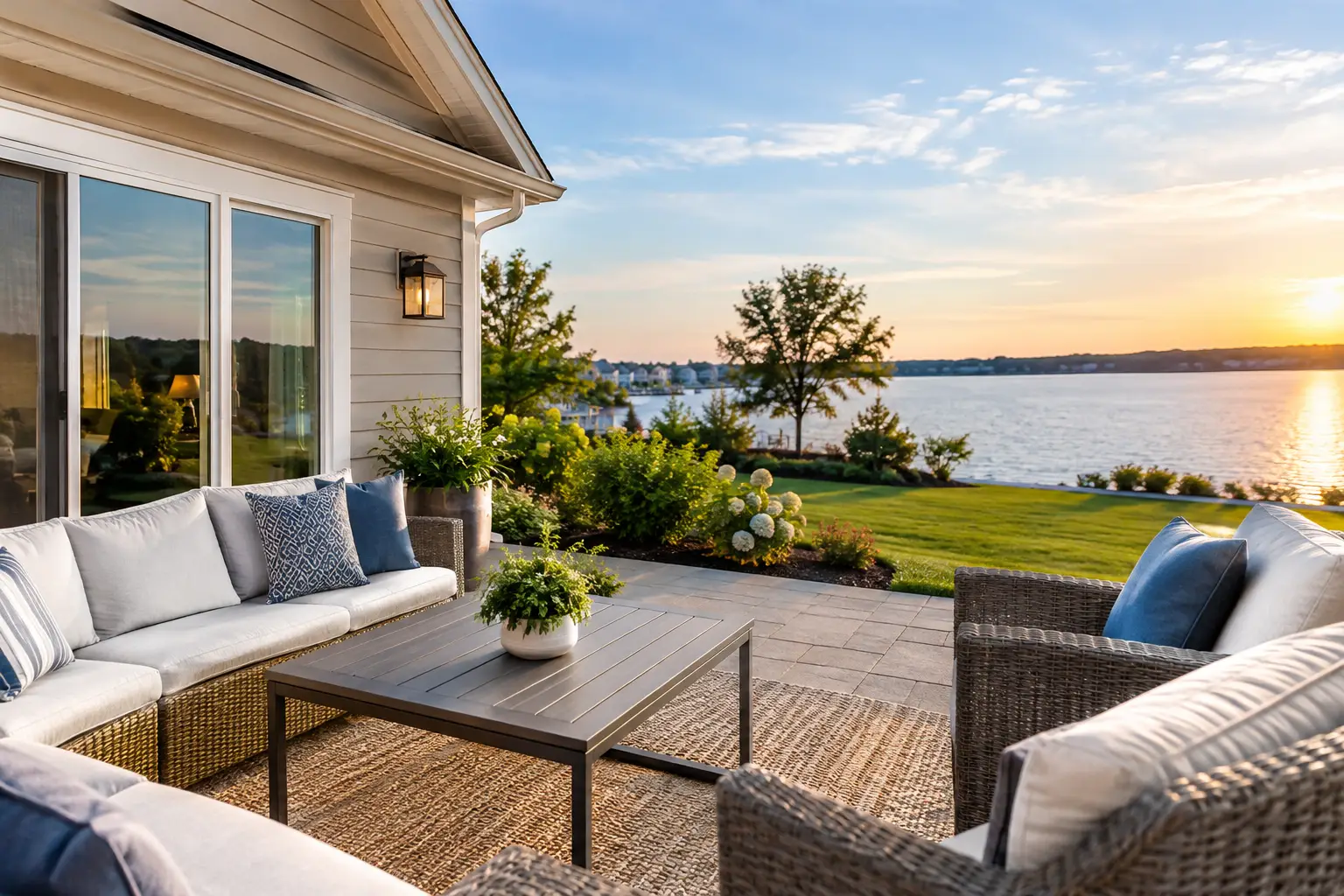
A backyard patio can change how a home lives long before it ever goes on the market. It creates a defined place for morning coffee, family dinners, grilling, and gathering with friends. But do patios increase value? In many Delaware homes, a professionally designed and properly installed patio can improve buyer appeal and support resale value – provided the project fits the property, performs well, and is built to last.
A patio is not a guaranteed dollar-for-dollar return on every dollar spent. Real estate value depends on location, neighborhood expectations, home condition, market timing, and buyer preferences. Still, an attractive outdoor living area often gives buyers something they can immediately picture themselves using. That emotional connection matters, especially when comparable homes offer little more than an open lawn.
Do Patios Increase Value? Why Buyers Notice Them
Buyers do not only evaluate square footage inside the house. They evaluate whether the whole property feels cared for, functional, and ready to enjoy. A patio can make an underused section of the yard feel like an extension of the home rather than a maintenance obligation.
For families, that may mean a secure place for outdoor meals, playtime, or entertaining. For homeowners nearing retirement, it may mean a low-maintenance spot to relax without the regular upkeep of a large lawn. A well-planned patio gives both groups a useful outdoor room, and that can help a home stand out in a competitive market.
The key is that the patio should look intentional. A small concrete slab with visible cracking, poor drainage, or an awkward location can work against the home. By contrast, a clean paver patio, a finished concrete patio, or a patio integrated with a porch, pergola, lighting, or landscaping can make the yard feel more complete.
Value Comes From Usability, Not Just Square Footage
A patio adds the most appeal when homeowners can use it comfortably and safely. Size, access, shade, privacy, and drainage all play a role. A beautiful patio that is too small for a table and chairs, sits in standing water after a storm, or is difficult to reach from the kitchen will have less practical value than one designed around real daily use.
Start with how the household spends time outdoors. A compact dining patio may be enough for a couple that enjoys quiet evenings outside. A larger space may be more appropriate for families who host cookouts or need room for a grill, seating, and a fire feature. The goal is not to build the biggest patio possible. It is to create a space that feels proportional to the home and natural within the yard.
Access is especially important. A patio located directly off a kitchen, family room, sunroom, or back entry usually feels more connected to the house. Buyers are more likely to see it as a true living area rather than a separate feature at the edge of the property.
A Patio Should Fit the Home and Neighborhood
Overbuilding can limit a patio’s return. If nearly the entire backyard is hardscape, buyers with children, pets, or gardening interests may see less flexibility. On the other hand, a modest patio can seem undersized beside a large home with a deep yard.
The best projects balance open lawn, planting areas, circulation paths, and outdoor living space. Material and color should also complement the home’s siding, brick, stone, trim, and existing exterior features. A patio that belongs with the home carries more visual weight than one that looks like an afterthought.
In Delaware and Southern Chester County, where outdoor spaces are used across more than one season, homeowners often benefit from planning for comfort beyond midsummer. Shade structures, covered sections, privacy screens, outdoor lighting, and thoughtful wind exposure can make the patio more inviting from spring through fall. Those details may not be necessary for every project, but they can improve how the finished space performs.
Construction Quality Protects the Investment
The difference between a patio that supports home value and one that becomes a future repair issue often comes down to preparation below the surface. Proper base preparation, grading, compaction, edge restraint, and water management are not the parts homeowners see at the end of the project. They are the parts that help prevent settling, shifting, pooling water, and premature deterioration.
Pavers need a stable, properly prepared base and secure edge treatment. Concrete requires appropriate site preparation, control joints, and finishing practices. Any patio needs to direct water away from the house and avoid disrupting existing drainage patterns. This is particularly important around foundations, walkout areas, and properties with challenging grades.
Professional installation also helps ensure the patio works with the home’s existing features. That includes door thresholds, steps, downspouts, utility lines, landscaping, and nearby decks or porches. A contractor should look beyond the surface material and address how the entire project will function once weather, foot traffic, and seasonal temperature changes enter the picture.
A permit may be required depending on the scope of work, grading, drainage changes, structural features, or local jurisdiction. Homeowners should not assume every patio project follows the same rules. Clear planning upfront helps avoid delays and protects the investment.
Pavers vs. Concrete: Which Adds More Appeal?
Both paver and concrete patios can be valuable additions when they are designed and installed well. The better choice depends on the home’s style, budget, site conditions, and desired appearance.
Pavers offer design flexibility. They can create patterns, borders, varied colors, and a more custom appearance that pairs well with traditional homes, garden settings, and higher-end outdoor living plans. Individual pavers can also be repaired or replaced if a localized issue occurs. Their long-term performance, however, depends heavily on proper base construction and drainage.
Concrete can provide a clean, durable surface with a more streamlined look. It can be a practical choice for homeowners who want an attractive patio with a straightforward layout. Decorative finishes, color, and stamped patterns can broaden its design options. Concrete does have joints and can crack over time, so a contractor should set realistic expectations and design the slab to manage normal movement as well as possible.
Neither material automatically adds more value in every situation. Buyers usually respond to the overall condition and usability of the space, not simply the material name. A professionally finished concrete patio may have more appeal than poorly installed pavers, while a thoughtfully designed paver patio may better suit a home where architectural detail and custom outdoor living are central to the property.
Features That Can Strengthen Patio Appeal
A patio becomes more marketable when it solves a real lifestyle need without making the yard feel cluttered. Built-in seating, lighting, a pergola, a covered porch connection, or privacy features can make outdoor time more comfortable and extend the season of use.
Lighting is often one of the most practical additions. It improves safety on steps and walking paths while creating a welcoming setting after dark. Privacy panels or well-placed landscaping can be equally useful on homes with close neighbors. For larger projects, connecting a patio to a deck, screened porch, or pool area can create a more unified backyard plan.
These upgrades should be selected with restraint. Specialty features are most valuable when they match the homeowner’s needs and the home’s price point. A high-end outdoor kitchen may be ideal for an enthusiastic host, but it is not necessary for every backyard or every resale strategy.
Think Beyond Resale Value
The strongest reason to build a patio is often the one that cannot be reduced to an appraisal figure: you get to use it now. A durable, well-designed patio can make weekends at home more enjoyable, give children room to play nearby, and make entertaining easier. If it also improves curb appeal, buyer interest, and resale potential down the road, that is a meaningful added benefit.
Before choosing materials or finalizing a layout, walk the yard at different times of day and consider sun, shade, views, traffic patterns, and drainage. Then work with a contractor who can explain how the patio will be prepared, built, and inspected. Deck Masters brings owner-supervised craftsmanship to patio and outdoor-living projects throughout Delaware, helping homeowners build spaces that feel right for their property and are made for years of use.
A patio should not merely fill empty yard space. It should give your home a better place to live, gather, and enjoy the outdoors – while leaving a future buyer with a reason to feel the same way.